01
1. Professional experience and activity in Iran and Turkey.
Years of specialized experience in Ear, Nose, and Throat (ENT) and facial aesthetic surgery, along with formal and legal practice in Iran and Turkey.
Nose surgery, eyelid surgery, facelift, and rejuvenation with an approach tailored to your facial features.
From the initial consultation to the surgery and post-operative care, Dr. Rastkari will personally be by your side. Get your free initial consultation right now through the form below.
Complete the form so we can contact you for an initial review.
ENT Specialist and Facial Aesthetic Surgeon.
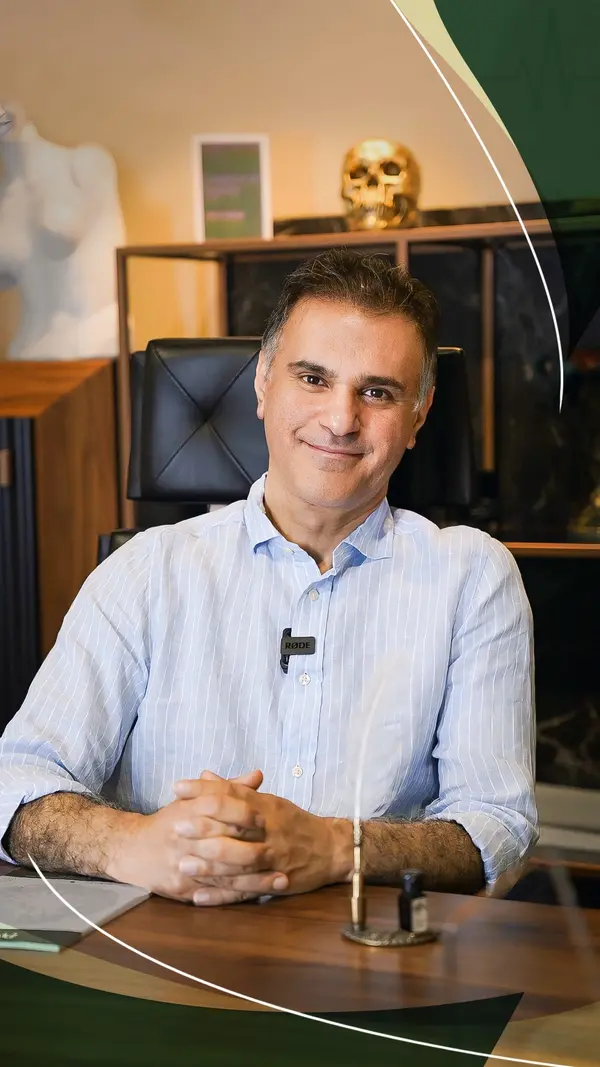
Dr. Rastkari has over 23 years of specialized experience in facial aesthetic and rejuvenation surgery, practicing in both Iran and Turkey. His primary focus is on designing a treatment plan that aligns with the patient's facial identity, genuine needs, and professional medical standards.
Thorough evaluation of the condition and selection of the appropriate treatment path.
Preserving the proportion and identity of each individual's face.
Providing services in Tehran and Istanbul.
In facial aesthetic surgery, trust, experience, and specialist perspective are as important as the final result.
Years of specialized experience in Ear, Nose, and Throat (ENT) and facial aesthetic surgery, along with formal and legal practice in Iran and Turkey.
Utilizing the latest techniques and treatment approaches in line with current medical standards.
A focused approach on selected specialty areas rather than scattered services, to achieve more precise and predictable results.
The possibility of direct consultation and follow-up with the doctor, especially for Persian-speaking and international patients.
Experience in working with Persian, English, and Turkish-speaking patients, and full familiarity with treatment needs and health tourism.
The main focus is on surgeries and treatments that preserve facial form, youthfulness, and harmony with a specialist approach.
Primary and revision rhinoplasty.
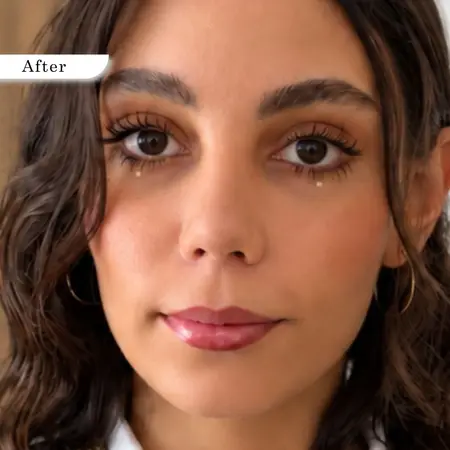
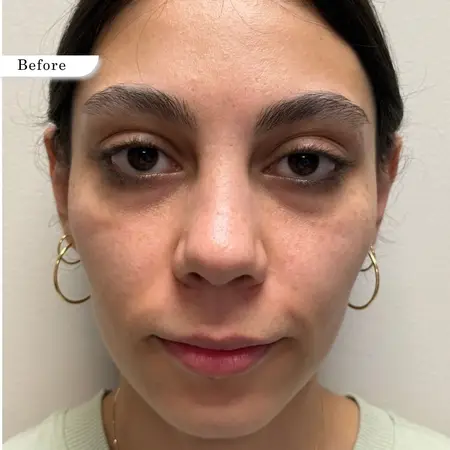
Correction of drooping, puffiness, and excess skin around the eyes for a fresher and more natural appearance.
Improvement of sagging and signs of aging with a focus on natural facial form and harmony.
Improving the contour of the neck, jaw angle, and submental area for a more defined and youthful appearance.
A combination of surgical and minimally invasive methods to enhance facial freshness and proportion.
If you need guidance about rhinoplasty, facelift, blepharoplasty, or facial rejuvenation, please complete the consultation form.
Before and after cases are organized by treatment type so you can review results more clearly and professionally.
Rhinoplasty.
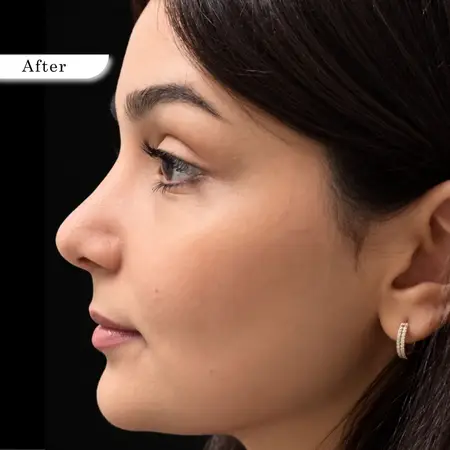
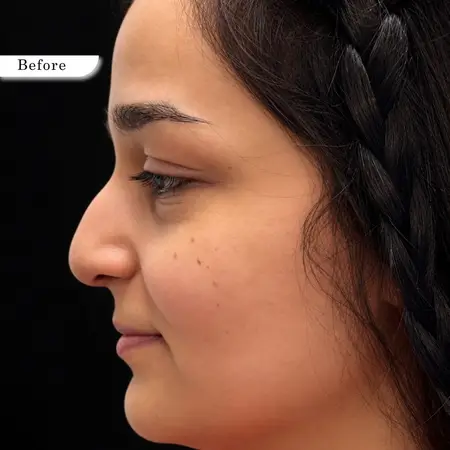
I'm really happy with my nose! I told Dr. Masoud Rastkari from the beginning that I wanted it to look natural, and I love how it turned out. A big thank you to the doctor and his lovely team! ❤️


I always wanted to change my nose a little, but I was worried it wouldn't suit my face. What I love most now is how well it fits my other features. Thank you, Dr. Rastkari, for listening to what I wanted. I'm genuinely so happy!
I still catch myself looking at my new nose in the mirror sometimes! I'm honestly so glad I finally decided to do this. Thank you so much to Dr. Rastkari for his work and to the team for being so kind and supportive. Wishing you all the best! ❤️


The first few days after surgery weren't the easiest, and I was worried about the swelling. But Dr. Rastkari's team kept checking on me and answering my questions. Now that the swelling is slowly going down, I'm really liking the changes. Thank you for everything!


I'd already had a few consultations before meeting Dr. Rastkari, but I still wasn't sure. What felt different here was that he actually listened to what I wanted and was honest about what I could realistically expect. I really appreciated that approach. Thank you, doctor!
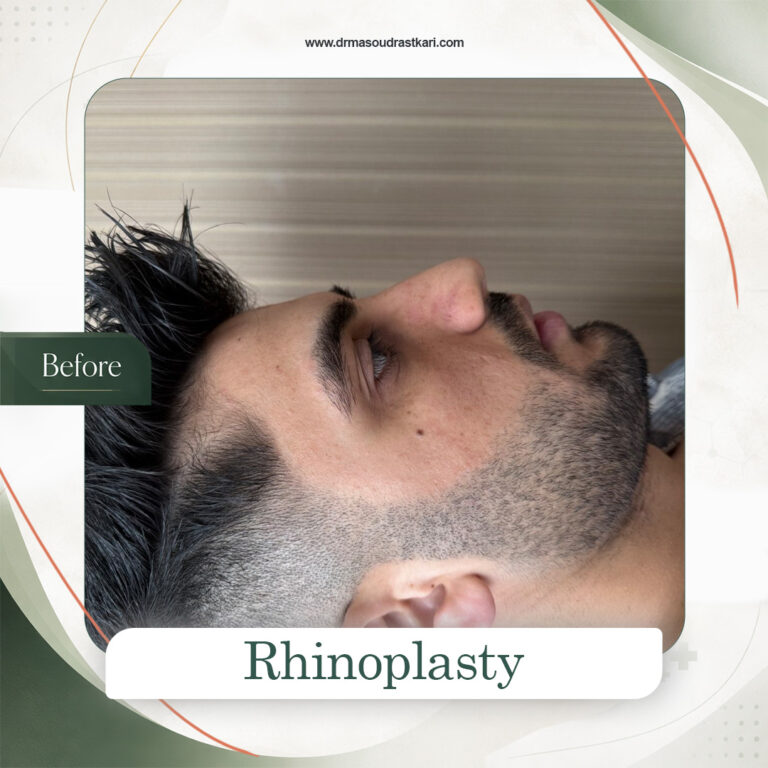
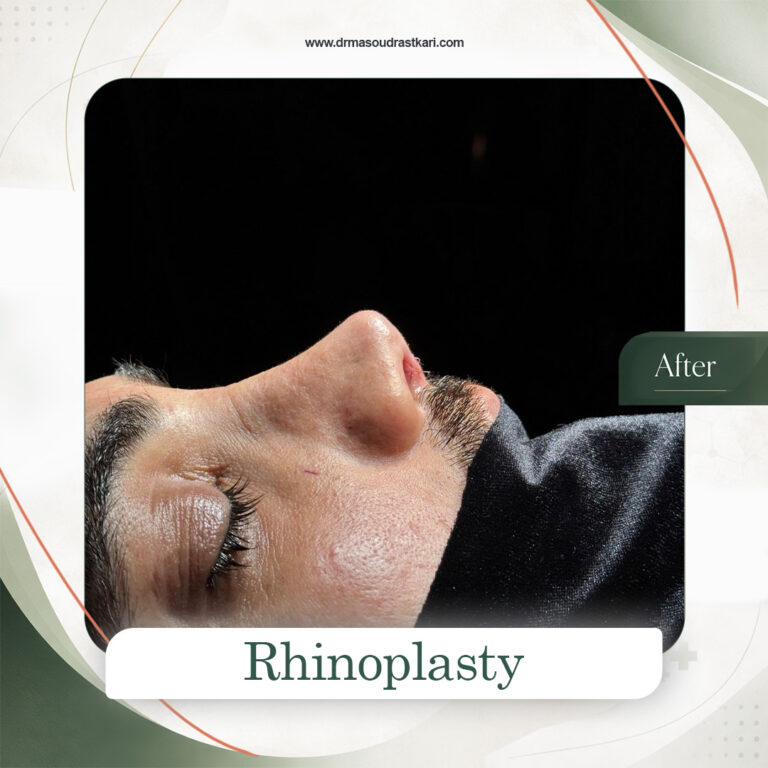
I was honestly so nervous before my surgery. I almost changed my mind a few times! But Dr. Rastkari was really patient and answered all my questions. Looking at my old photos now, I'm so happy I went through with it. Thank you so much, doctor!
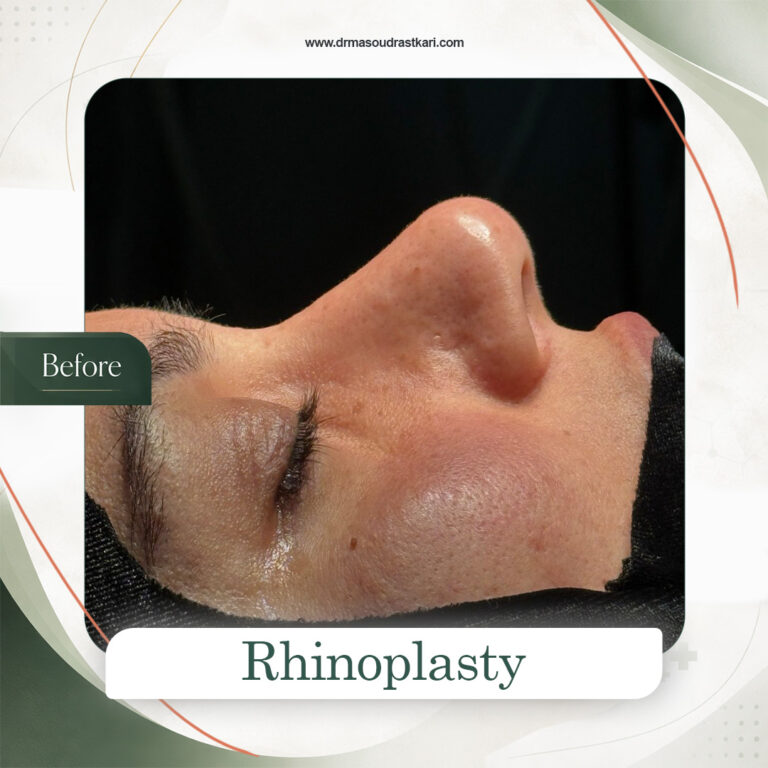

Just wanted to say a big thank you to Dr. Rastkari and the whole team. Everyone was so kind, from my first consultation to the follow-ups after surgery. Whenever I had a question, they were there to help. I really appreciated that. Thank you all!
double chin liposuction
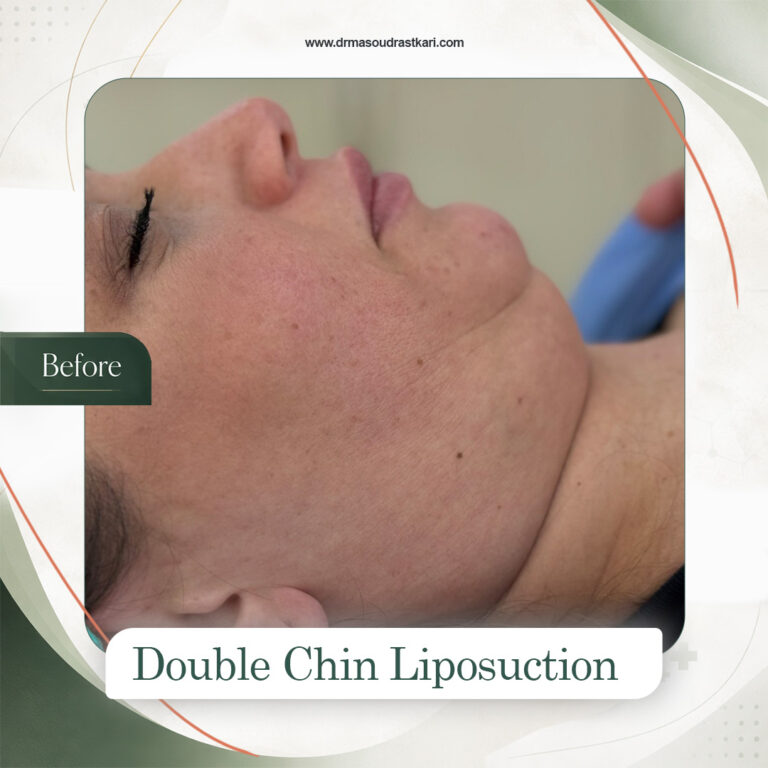
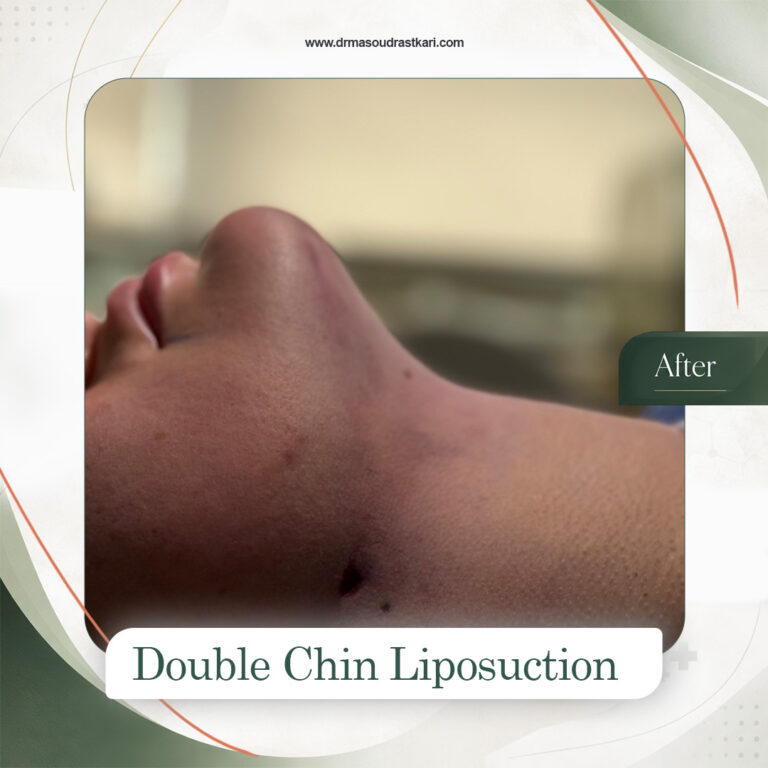
My double chin always bothered me, especially in side-profile photos. I'm so happy with how my jawline looks now, and I feel much more confident. A huge thank you to Dr. Masoud Rastkari for his amazing care and kindness! ❤️
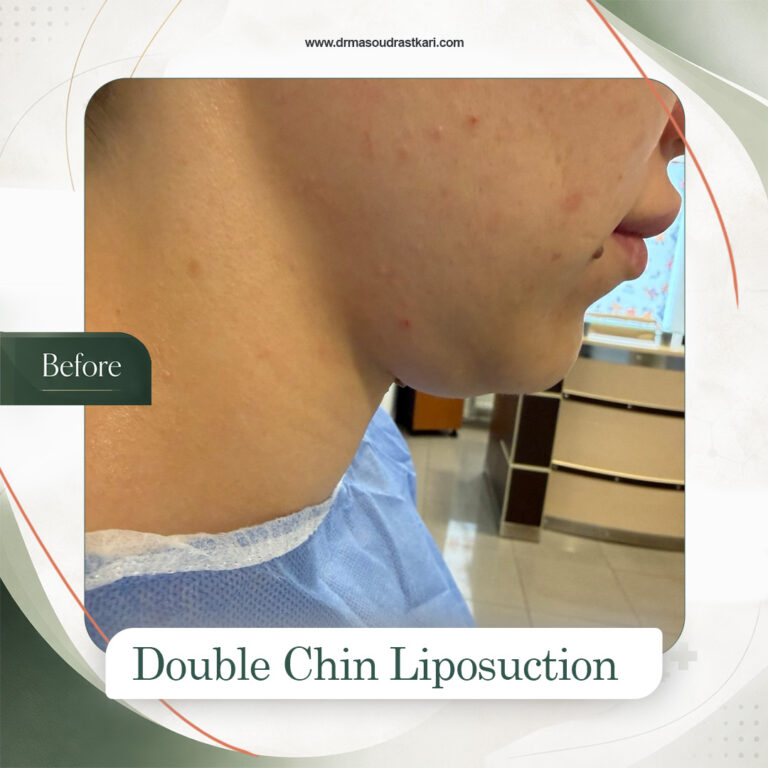
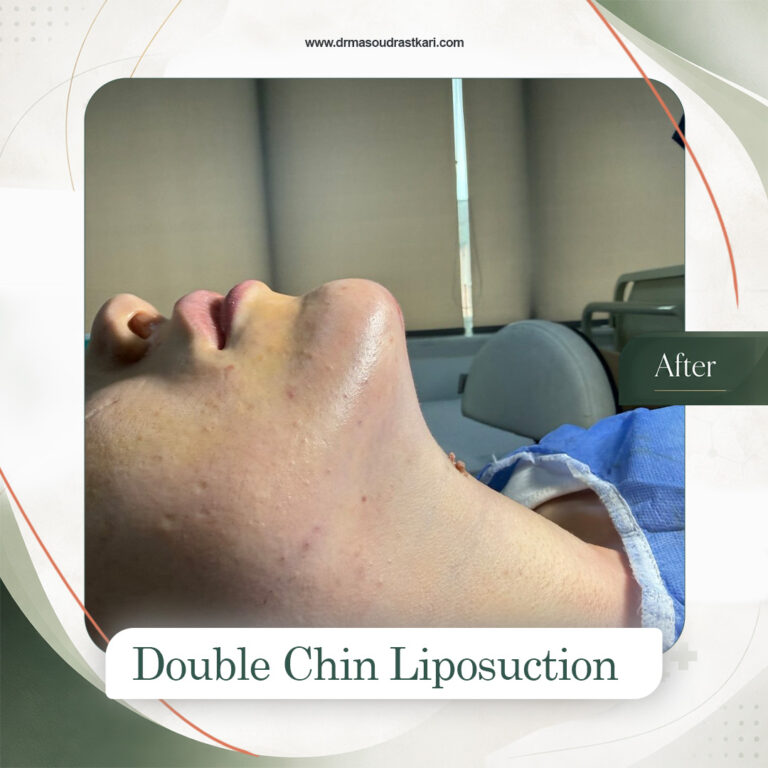
Honestly, I was pretty nervous before my double chin liposuction. I had so many questions, but Dr. Rastkari explained everything patiently and made me feel much more comfortable. I'm really happy with my results. Thank you to the doctor and his lovely team!
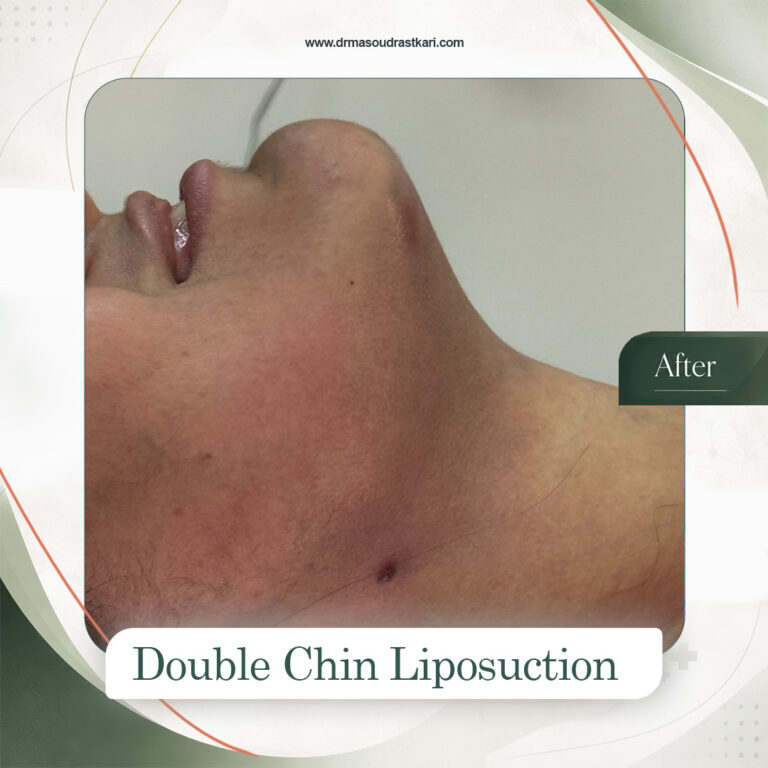
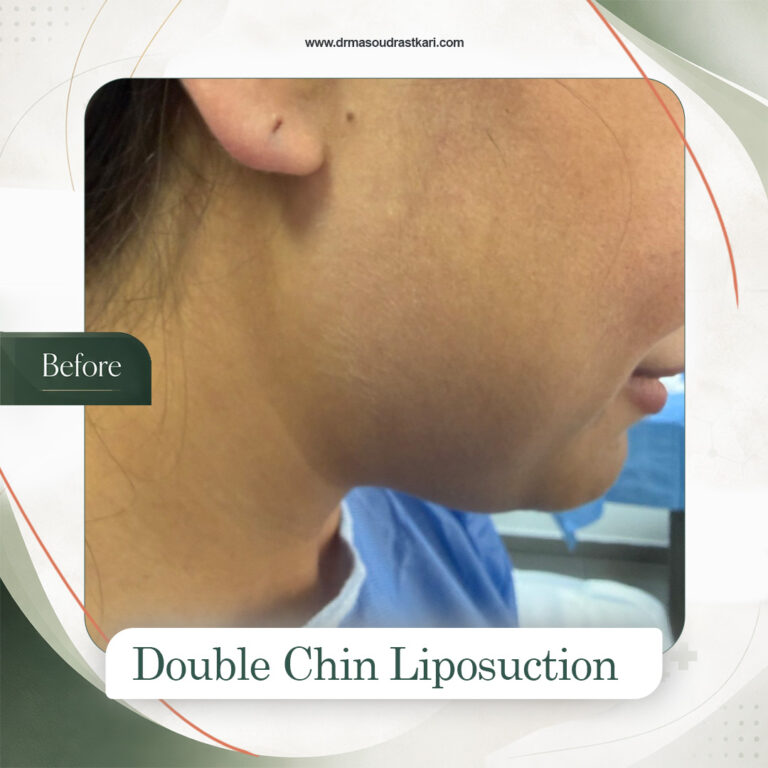
I had some swelling after my double chin liposuction, and I was a little worried at first. But Dr. Rastkari's team was always helpful and answered my questions. As the swelling went down, I started noticing the difference more. So glad I did it. Thank you, Dr. Rastkari! ❤️
Blepharoplasty.
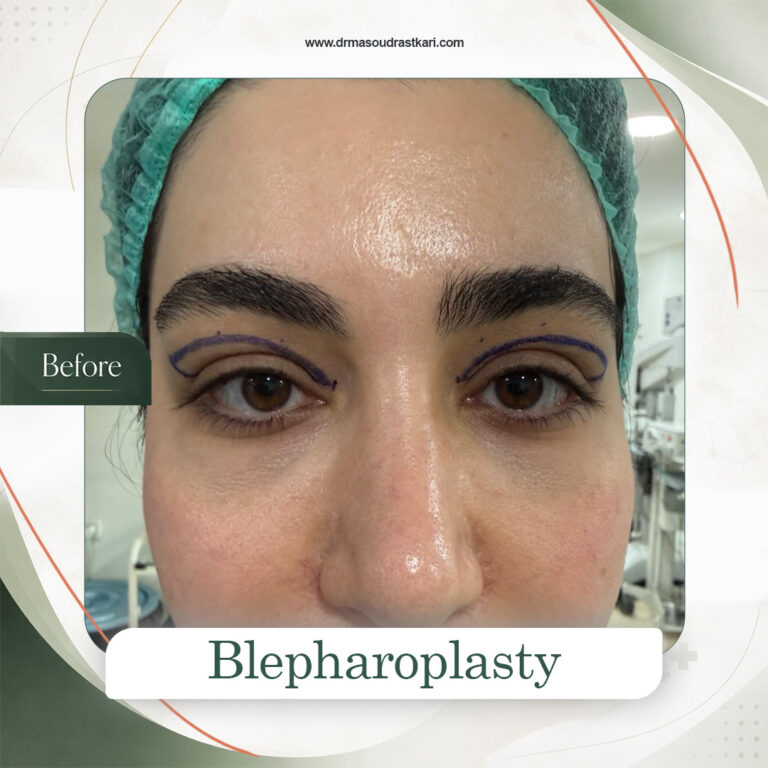
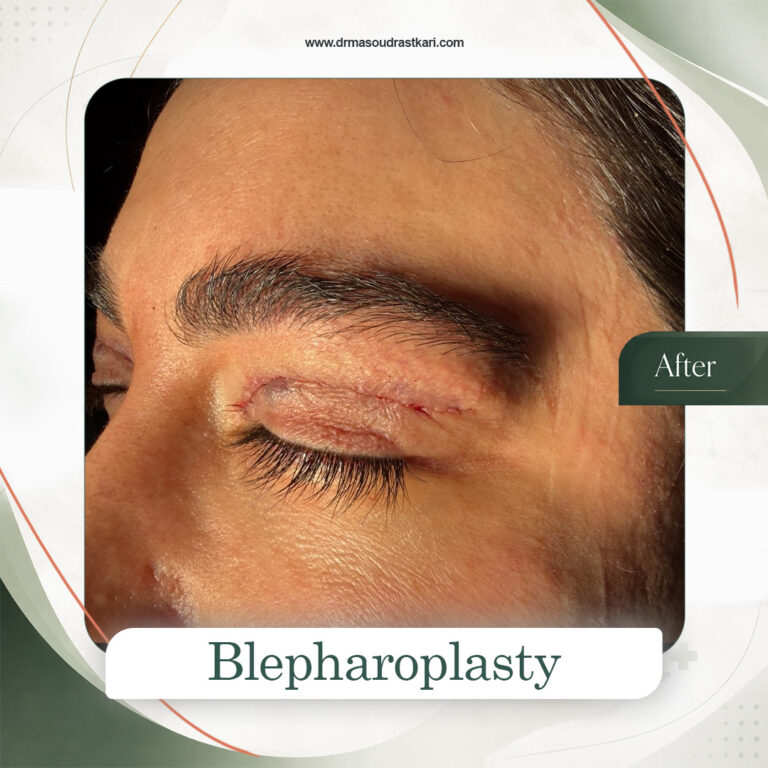
My droopy eyelids had been bothering me for a long time, and my eyes always looked tired. I'm so happy with the change, especially because my eyes still look natural. A big thank you to Dr. Masoud Rastkari and his wonderful team! ❤️
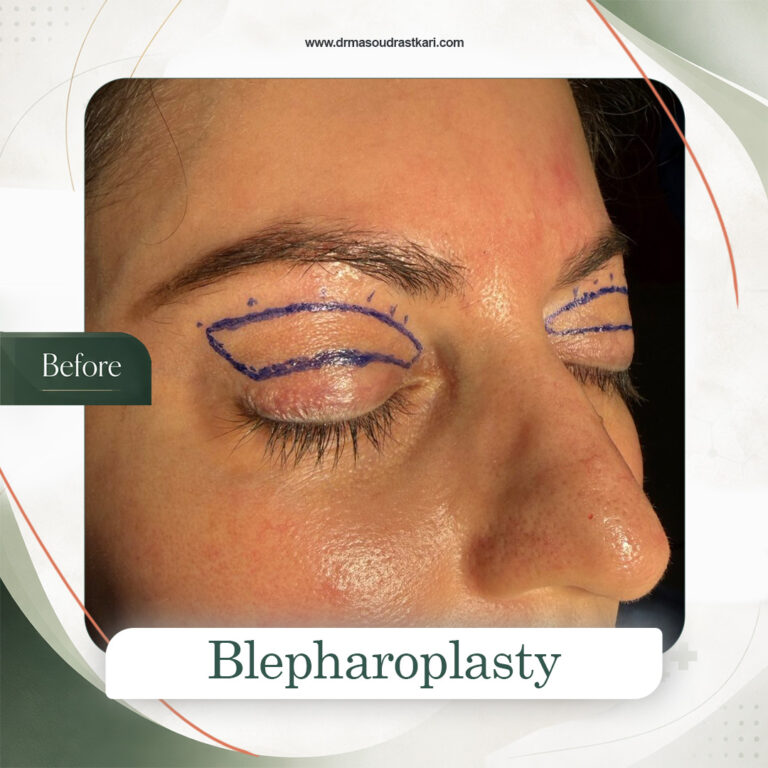
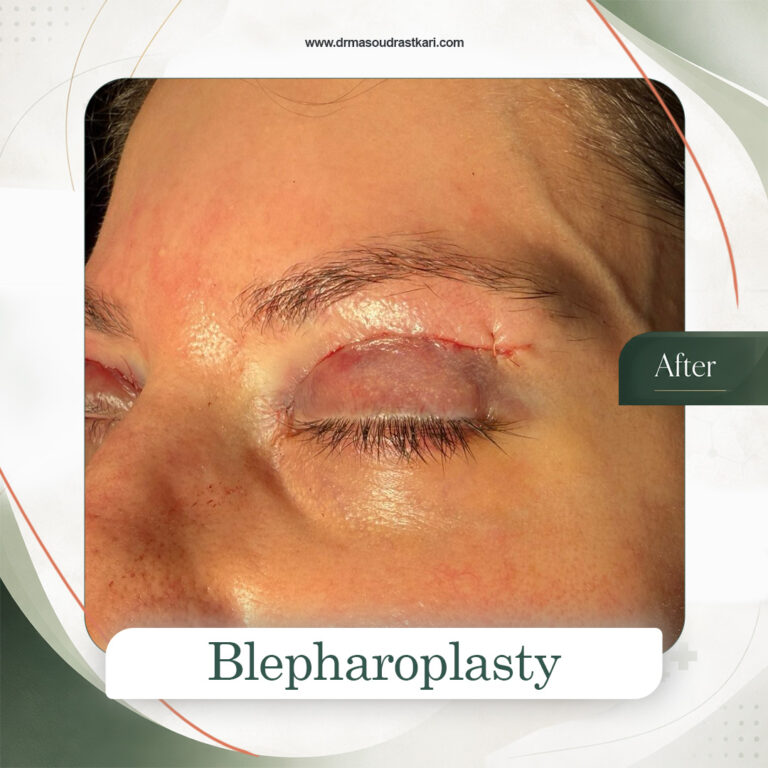
A huge thank you to Dr. Rastkari for his beautiful, delicate work. I'm really happy with the results and so glad I trusted him. Thank you again, doctor. Wishing you all the best! ❤️
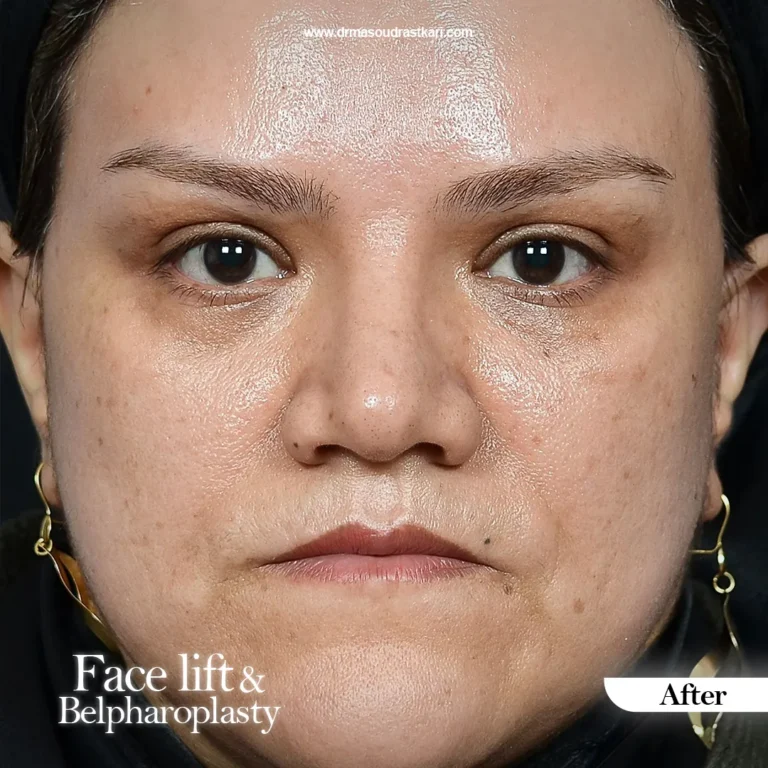
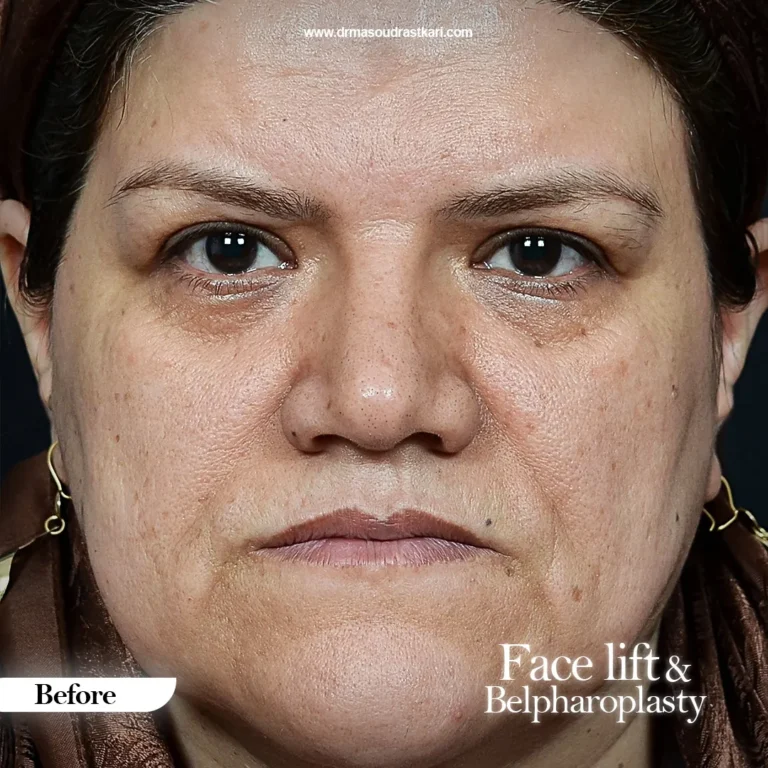
I just want to thank Dr. Rastkari and his lovely team from the bottom of my heart. I'm so happy with the result, and it makes me smile every time I look in the mirror. Thank you for all your care and attention to detail! ❤️
Complete the consultation form to choose the best treatment path.
Patient experience videos open in a lightbox when clicked.
Short answers to common questions before making a decision.
Learn more about the doctor, his approach, and facial aesthetic surgery services.
Facial beauty is not about following a single standard. It is about achieving balance, preserving individual features, and making thoughtful decisions that respect both appearance and health.
Dr. Masoud Rastkari is an ENT specialist and facial aesthetic surgeon with over 23 years of professional experience, practising in Istanbul, Turkey, and Tehran, Iran. His work focuses on rhinoplasty, revision nose surgery, eyelid surgery, facial lifting, neck contouring, and facial rejuvenation.
Whether you are considering rhinoplasty in Istanbul, looking for advice about a previous nose surgery, or exploring facial rejuvenation options, understanding your individual anatomy and expectations is an essential first step.
Dr. Rastkari’s approach emphasises natural-looking results, personalised treatment planning, and careful consideration of both facial aesthetics and functional health.
With more than two decades of experience in ear, nose, and throat medicine and facial aesthetic surgery, Dr. Masoud Rastkari provides consultations and surgical services for patients seeking changes to their facial appearance.
His professional activities in both Turkey and Iran allow patients from different countries to explore treatment options while receiving guidance about their specific concerns.
Facial surgery requires more than technical knowledge. It involves understanding facial proportions, skin characteristics, underlying bone and cartilage, previous procedures, and the relationship between appearance and function.
For this reason, Dr. Rastkari approaches each consultation individually rather than recommending the same procedure or aesthetic outcome to every patient.
The most appropriate aesthetic result is one that works in harmony with the patient’s existing facial features.
In rhinoplasty, for example, the nose should be considered in relation to the forehead, cheeks, lips, chin, and overall facial proportions. A nose shape that looks attractive on one person may not suit another person’s anatomy.
Similarly, facial rejuvenation should consider how the face moves during everyday expressions, including smiling and speaking.
Dr. Masoud Rastkari focuses on treatment planning that respects each patient’s facial identity. The purpose is not to create identical results, but to explore realistic improvements based on individual needs.
Every procedure has limitations, and a responsible consultation includes discussing when surgery may not be appropriate.
Rhinoplasty, commonly known as nose surgery or a nose job, is a procedure designed to change the shape or structure of the nose. Depending on individual circumstances, it may address aesthetic concerns, functional problems, or both.
Patients considering rhinoplasty in Istanbul may wish to improve a prominent nasal bridge, refine the nasal tip, correct visible asymmetry, or achieve better harmony between their nose and other facial features.
Before planning surgery, several factors require assessment, including skin thickness, nasal cartilage, bone structure, breathing function, and medical history.
Natural rhinoplasty aims to avoid unnecessary or exaggerated changes while creating a shape appropriate for the individual face.
However, results depend on anatomy, the surgical approach, and healing. No particular appearance or breathing outcome can be guaranteed.
Revision rhinoplasty is considered when a patient experiences aesthetic or functional concerns following previous nose surgery.
Some patients may notice irregularities, persistent asymmetry, changes in the nasal tip, or breathing difficulties. Others may simply feel that the previous result does not match their expectations.
Secondary rhinoplasty can be more complex because earlier surgery may have altered cartilage, bone, scar tissue, and internal nasal support.
Dr. Rastkari’s assessment considers the reasons for the original operation, current nasal anatomy, breathing symptoms, healing progress, and the patient’s priorities.
Not every concern requires another operation. Additional healing time or a different treatment approach may sometimes be more appropriate.
Learn more in our guide: Why Is Revision Rhinoplasty More Complex?
The eyelids play an important role in facial expression and eye protection. Over time, excess skin, puffiness, and changes in surrounding tissues can make the eye area appear tired.
Blepharoplasty, or eyelid surgery, may be considered to address these changes.
Upper blepharoplasty generally focuses on excess upper-eyelid skin, while lower blepharoplasty may address under-eye bags, puffiness, or selected tissue changes.
The appropriate procedure depends on eyelid anatomy, eyebrow position, skin quality, and eye health.
Planning should also consider dry-eye symptoms and any existing conditions affecting the eye surface.
The aim is to explore suitable improvements while protecting normal eyelid function and preserving natural facial expression.
For further information, read Upper vs Lower Blepharoplasty: What Does Each Address?
Ageing affects the skin, facial fat, and deeper supporting tissues. These changes may contribute to sagging cheeks, a less defined jawline, forehead changes, or a lower brow position.
Facelift surgery is intended to address selected age-related changes, particularly in the middle and lower face.
A forehead or brow lift may be considered when changes in the upper face contribute to a tired or heavy appearance.
The choice of procedure depends on facial anatomy, skin elasticity, the degree of tissue descent, and personal expectations.
Not every patient needs a full facelift, and different procedures should not be considered interchangeable.
Dr. Masoud Rastkari emphasises an individual assessment before discussing potential treatment options.
The relationship between the chin, jawline, and neck contributes significantly to overall facial balance.
Some patients are concerned about excess fat beneath the chin, while others experience loose neck skin or changes in underlying tissues.
Submental liposuction primarily targets localised fat deposits beneath the chin. Neck lifting procedures address selected changes in skin and deeper neck structures.
These treatments have different purposes and are not equally suitable for every patient.
Skin elasticity, neck anatomy, fat distribution, and overall facial proportions all influence treatment selection.
Our article Neck Lift vs Submental Liposuction explains their main differences.
Facial rejuvenation is a broad term covering procedures designed to address selected age-related or structural concerns.
Depending on the patient, options may include surgical lifting, facial contouring, or less invasive treatments.
Buccal fat removal is sometimes considered for specific cheek-contouring goals. However, removing facial volume is not suitable for everyone and may influence how the face appears with age.
Appropriate rejuvenation planning should balance the desired improvement with long-term facial proportions and tissue health.
A successful consultation begins with listening to the patient’s goals and understanding the reason for seeking treatment.
An appropriate assessment may include reviewing medical conditions, previous operations, medications, allergies, relevant lifestyle factors, and specific concerns about appearance or function.
The consultation should also explain possible treatment options, limitations, recovery expectations, and potential complications.
No aesthetic procedure is risk-free. Swelling, bruising, scarring, asymmetry, infection, and the possibility of additional treatment are among the considerations that may need discussion.
For Dr. Masoud Rastkari, personalised assessment is central to deciding whether a particular procedure is appropriate.
Facial surgery involves several stages, beginning with medical assessment and continuing through preparation, surgery, recovery, and follow-up.
Patients should receive information about the planned procedure, anaesthesia, recovery arrangements, postoperative appointments, and circumstances requiring medical attention.
After surgery, the healing process varies between individuals. Visible swelling may improve relatively quickly, while subtle changes can continue for months.
In rhinoplasty, the nose may continue refining long after the initial recovery period.
Following the operating team’s instructions is essential. Patients should not rely on another person’s recovery experience when deciding when to exercise, travel, or resume particular activities.
For more information, explore the Rhinoplasty Recovery Timeline: Week by Week.
The website of Dr. Masoud Rastkari includes before-and-after photographs and patient experience videos related to facial aesthetic procedures.
These resources help visitors understand the types of changes associated with different treatments and become familiar with the surgeon’s aesthetic approach.
However, before-and-after photographs represent individual cases, not promises of identical outcomes.
Every patient’s starting anatomy, medical circumstances, procedure, and healing process are different.
Prospective patients should use these examples as educational references alongside professional consultation.
Dr. Masoud Rastkari provides services in Istanbul and Tehran, including initial consultation pathways for international patients.
People travelling from abroad may begin by discussing their concerns remotely, sharing relevant medical information, and asking questions about treatment planning.
Online consultation can help with preliminary communication, but it cannot replace a physical examination when one is necessary.
International patients should also clarify the expected length of stay, postoperative appointments, travel arrangements, and access to follow-up care before making bookings.
Read our guide to Online Facial Surgery Consultation for International Patients for further information.
Dr. Masoud Rastkari is an ENT specialist and facial aesthetic surgeon with over 23 years of professional experience. He practises in Istanbul and Tehran and provides services related to rhinoplasty, revision rhinoplasty, eyelid surgery, facial lifting, neck contouring, and facial rejuvenation.
Yes. Patients can submit an initial consultation request through the website or contact the team using WhatsApp. Depending on the concern, an in-person examination may be required before confirming treatment suitability.
No. Rhinoplasty outcomes depend on individual anatomy, skin thickness, surgical techniques, existing breathing function, and healing. A realistic treatment plan considers these factors rather than promising a predetermined nose shape.
The required length of stay depends on the procedure, postoperative recovery, and planned follow-up appointments. The surgical team should provide individual guidance before travel arrangements are finalised.
You can use the consultation form on the official website or contact the team through WhatsApp to describe your concerns and request information about an initial assessment.
Choosing a facial aesthetic surgeon involves understanding professional qualifications, treatment options, expected benefits, potential risks, and realistic outcomes.
Whether you are exploring rhinoplasty in Istanbul, revision nose surgery, blepharoplasty, facelift surgery, or facial rejuvenation, the first step should be an individual medical assessment.
Dr. Masoud Rastkari offers
Fill out the consultation form or send a message on WhatsApp so we can determine the right path for your surgery or facial rejuvenation.