
Why the two procedures can be confused
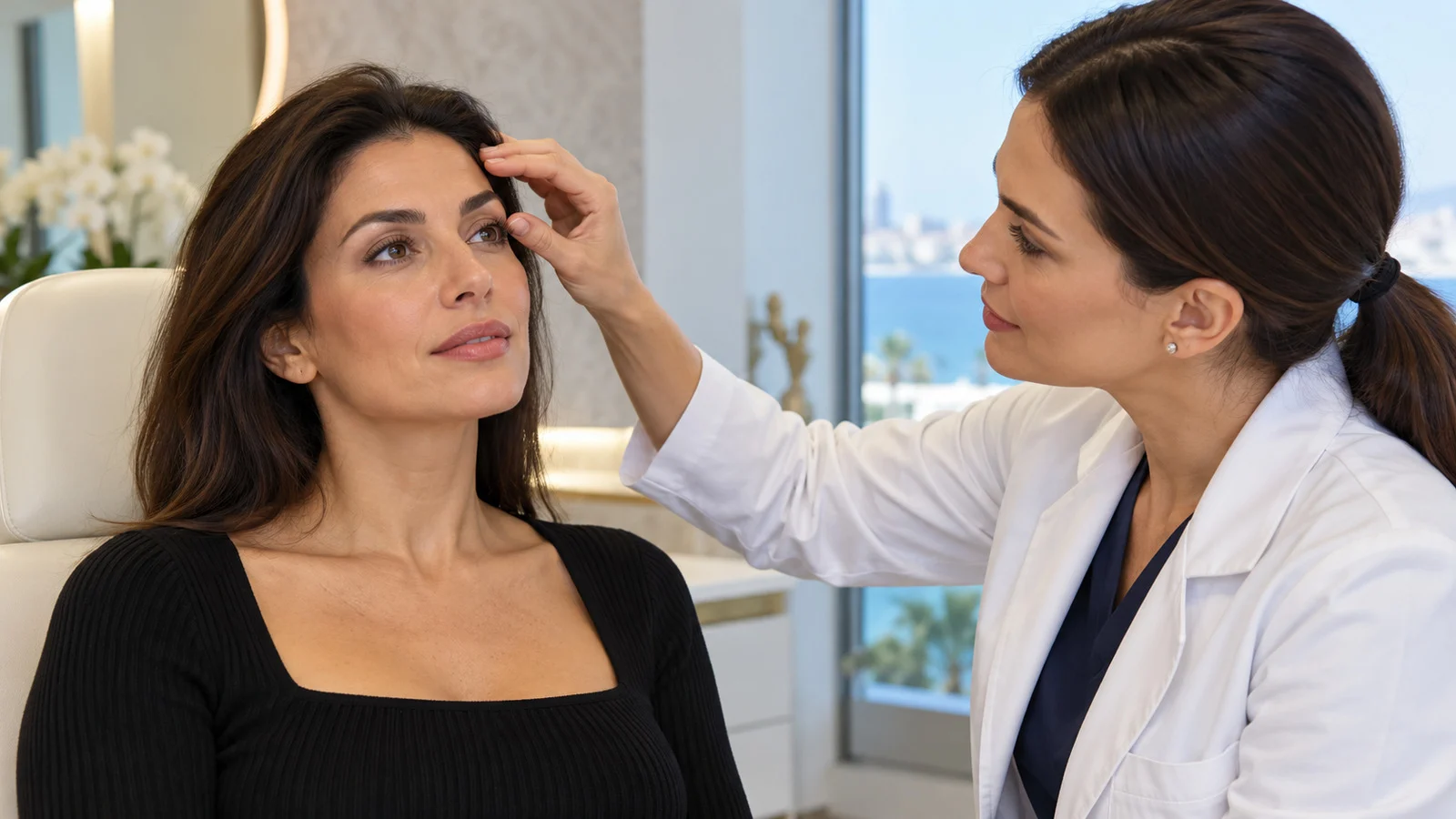
A heavy upper eye area can reflect upper-eyelid skin, eyebrow position, forehead tissue, eyelid function and eye-surface comfort. Similar words such as heavy lids or tired eyes do not identify the cause. A low brow can increase the skin fold, while extra eyelid skin can be present even with a balanced brow. A still photograph cannot measure brow movement, lid closure, tear comfort or visual function.
A heavy upper eye area can reflect upper-eyelid skin, eyebrow position, forehead tissue, eyelid function and eye-surface comfort. Similar words such as heavy lids or tired eyes do not identify the cause. A low brow can increase the skin fold, while extra eyelid skin can be present even with a balanced brow. A still photograph cannot measure brow movement, lid closure, tear comfort or visual function.
What each procedure addresses
Blepharoplasty is eyelid surgery. Upper blepharoplasty may address selected upper-lid skin and, when appropriate, selected tissue; it does not raise the eyebrow. A brow lift addresses brow and forehead position rather than removing eyelid skin as its primary action. Neither name is a diagnosis. The correct choice follows an examination of the brow, lid, eye and the person’s goals.
Fill out the consultation form or send a message on WhatsApp so we can determine the right path for your surgery or facial rejuvenation.
Request ConsultationBlepharoplasty is eyelid surgery. Upper blepharoplasty may address selected upper-lid skin and, when appropriate, selected tissue; it does not raise the eyebrow. A brow lift addresses brow and forehead position rather than removing eyelid skin as its primary action. Neither name is a diagnosis. The correct choice follows an examination of the brow, lid, eye and the person’s goals.
Assessment and planning
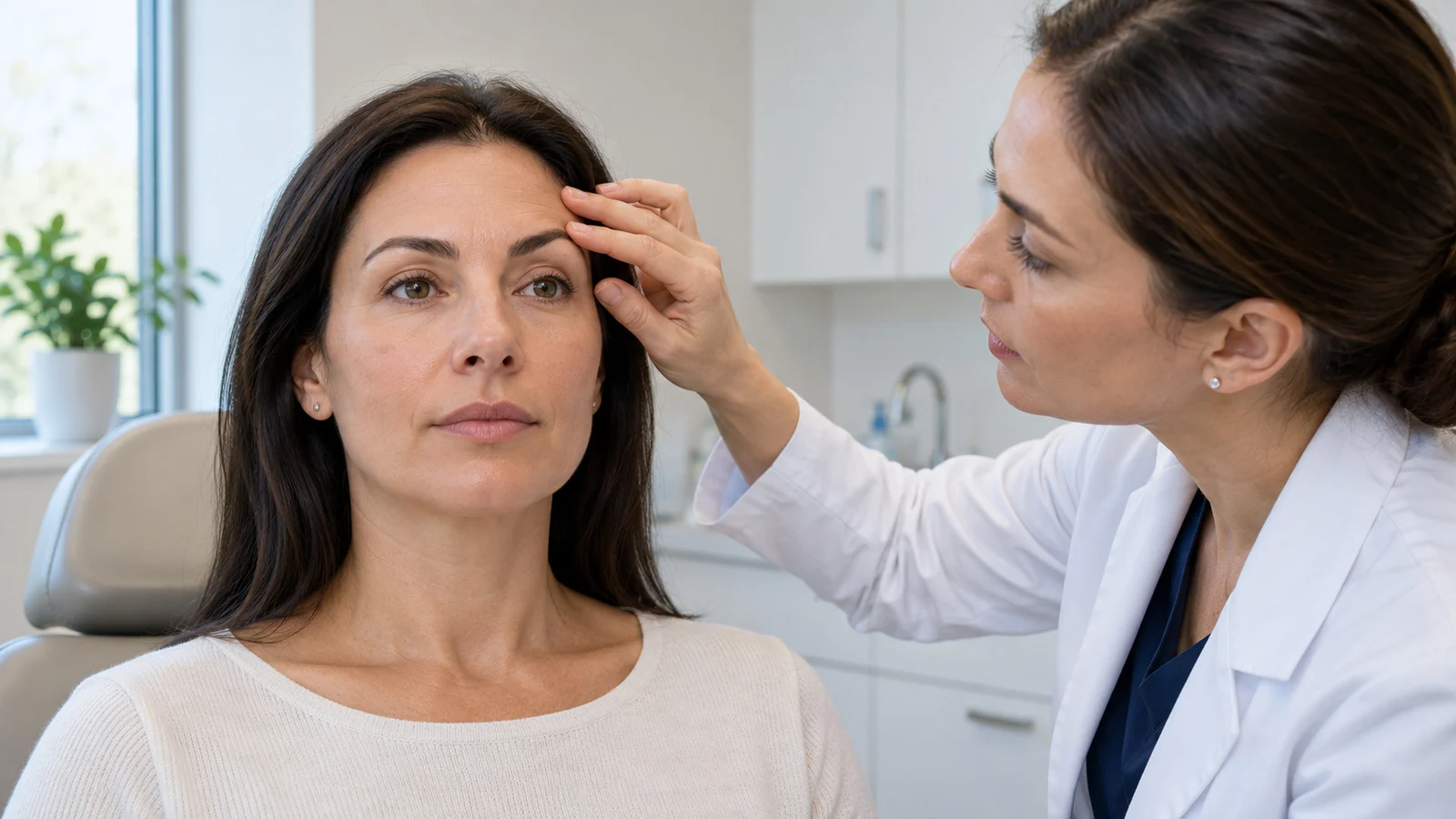
A careful consultation considers brow position at rest, forehead activity, upper-lid skin, eyelid closure, lower-lid support, dry-eye symptoms, previous eye surgery, medicines and medical history. A photograph can begin a discussion but cannot replace this examination. Ask what structure contributes to the concern, what each option can and cannot change, where incisions may be planned and what recovery restrictions apply.
A careful consultation considers brow position at rest, forehead activity, upper-lid skin, eyelid closure, lower-lid support, dry-eye symptoms, previous eye surgery, medicines and medical history. A photograph can begin a discussion but cannot replace this examination. Ask what structure contributes to the concern, what each option can and cannot change, where incisions may be planned and what recovery restrictions apply.
Combined or staged care
Some patients may be assessed for both procedures when each has a separate reason. Combining them is not automatic; it depends on health, eye history, priorities and recovery capacity. Staged care can be useful when the diagnosis or practical recovery plan needs clarity. Incision patterns, scars, swelling and downtime vary by technique and person, so an online timetable should not be treated as individual clearance.
Some patients may be assessed for both procedures when each has a separate reason. Combining them is not automatic; it depends on health, eye history, priorities and recovery capacity. Staged care can be useful when the diagnosis or practical recovery plan needs clarity. Incision patterns, scars, swelling and downtime vary by technique and person, so an online timetable should not be treated as individual clearance.
Frequently asked questions
A brow lift is not the same as upper blepharoplasty: one addresses brow and forehead position, while the other addresses upper-eyelid tissue. A photograph cannot tell which procedure is needed. Selected patients may be considered for both operations, but suitability requires an individual evaluation. No operation can guarantee identical sides or stop normal ageing.
A brow lift is not the same as upper blepharoplasty: one addresses brow and forehead position, while the other addresses upper-eyelid tissue. A photograph cannot tell which procedure is needed. Selected patients may be considered for both operations, but suitability requires an individual evaluation. No operation can guarantee identical sides or stop normal ageing.